Bible Q & A
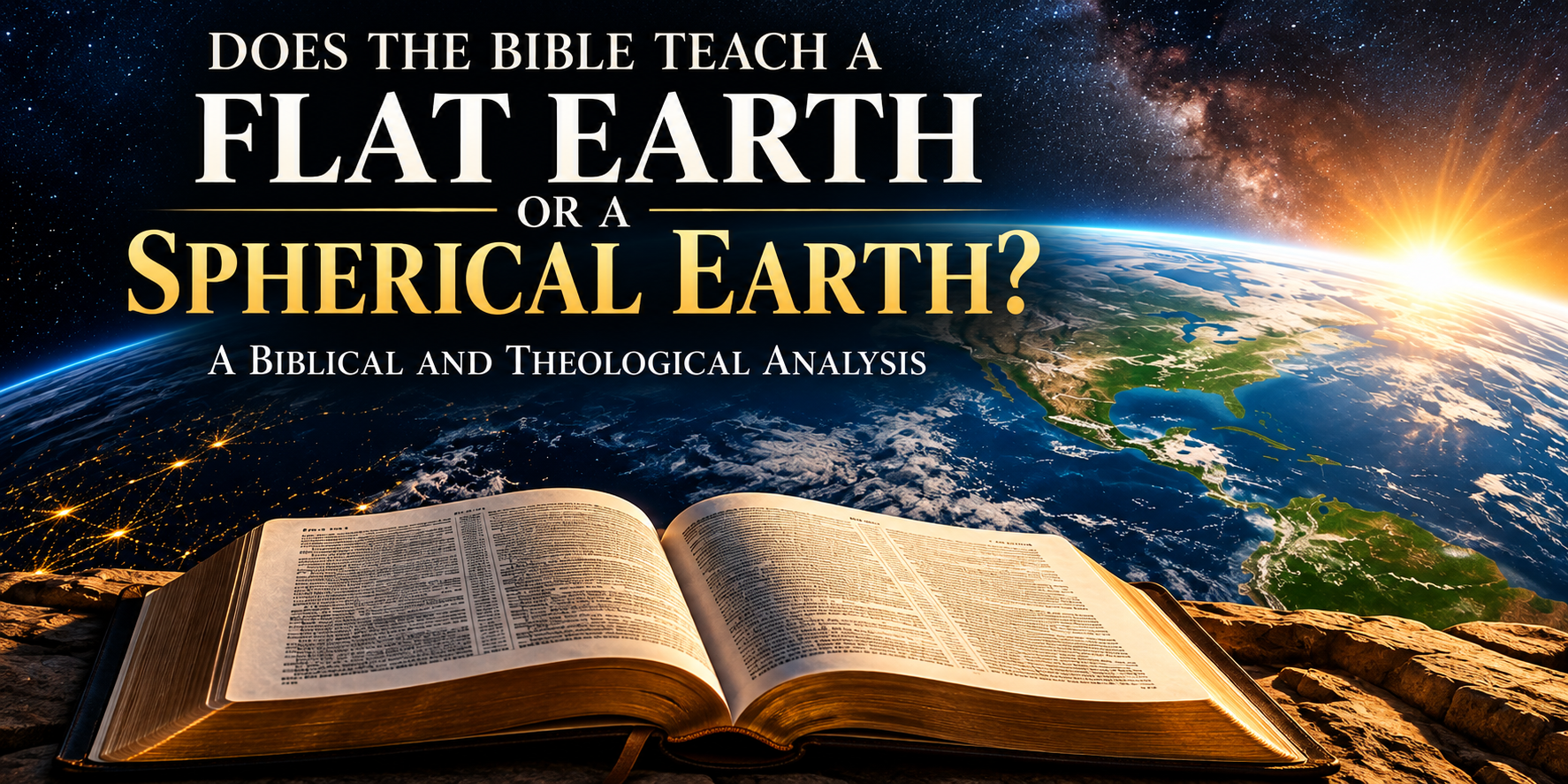
Does the Bible Teach a Flat Earth or a Spherical Earth?
Does the Bible teach a flat earth or support a spherical earth? This theological study examines Isaiah 40:22, Job 26:7–10, Genesis 1, and other key passages through Hebrew and Greek exegesis. Discover why Scripture does not require flat-earth cosmology and why elevating human speculation into Christian doctrine can undermine biblical authority, sound interpretation, and the church's witness.
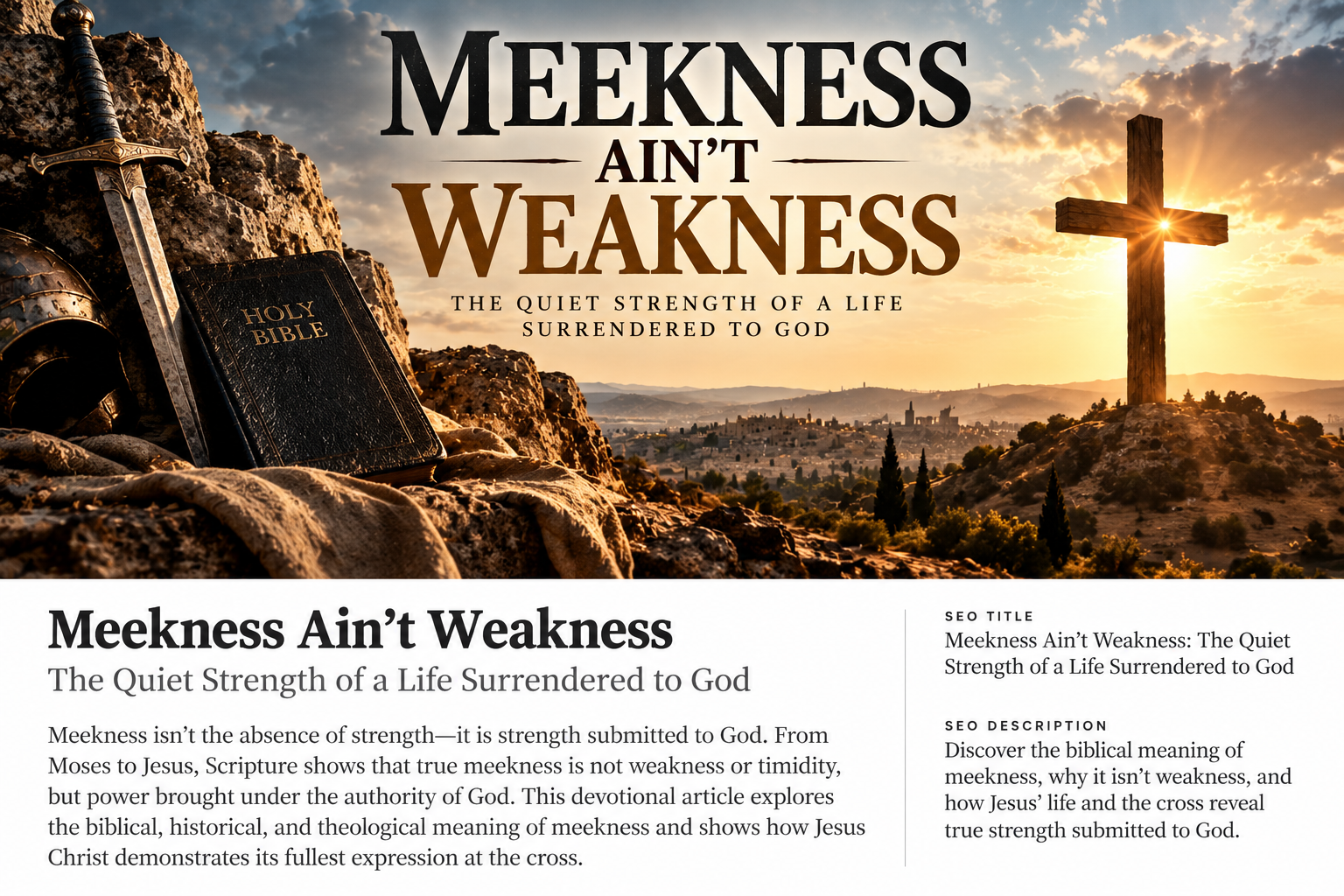
Meekness ain’t weakness
Meekness is not weakness. It is strength surrendered to God. From Moses standing courageously before Pharaoh to Jesus willingly submitting Himself to the cross, Scripture reveals that true meekness is not timidity or helplessness. It is the Spirit-governed discipline of exercising strength with humility, restraint, and righteousness. Discover why the greatest demonstration of strength in human history was revealed through the sacrificial love of Jesus Christ.
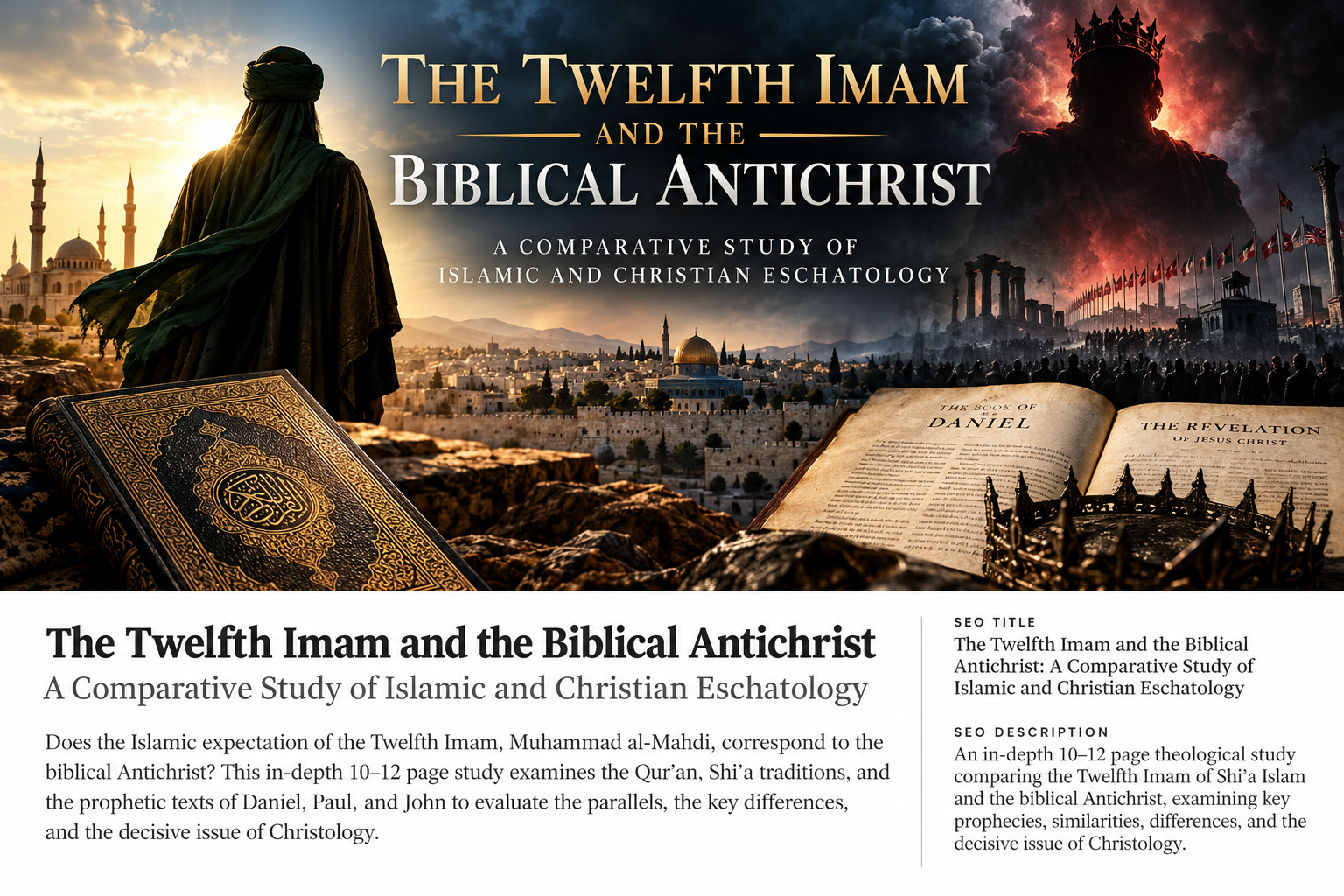
The Twelfth Imam and the Biblical Antichrist
Is the Twelfth Imam of Shiʿa Islam the Antichrist foretold in biblical prophecy? This theological study examines the Islamic Mahdi, the Dajjal, and the prophetic teachings of Daniel, Paul, and John. Through comparative eschatology and biblical exegesis, it evaluates striking similarities, essential theological differences, and the decisive question of Jesus Christ's identity. The evidence invites serious investigation while distinguishing biblical revelation from prophetic speculation.
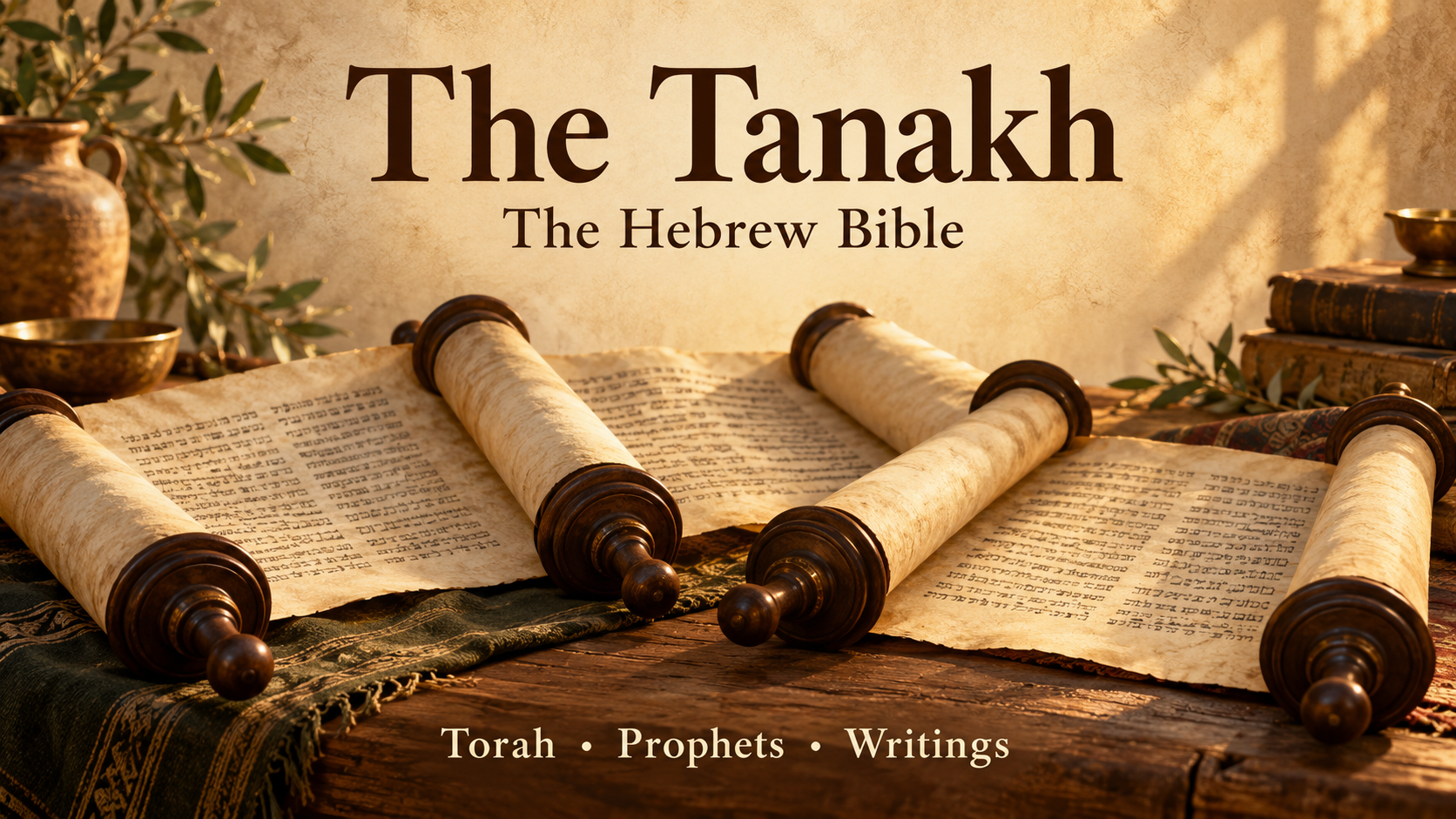
What was the original hebrew bible book order
Discover how the Hebrew Bible is organized into Torah, Prophets, and Writings. Explore the Tanakh’s 24-book structure, its major themes, and how its traditional arrangement differs from the order found in most Christian Old Testaments.

Annihilationism Eternal Punishment and Eternal Reward
Does final judgment mean everlasting conscious punishment or the end of existence? This article examines annihilationism alongside Scripture’s teaching on resurrection, judgment, and eternal life. Drawing on Matthew 25:46 and Revelation 20–22, it defends the traditional conservative Christian understanding of eternal punishment and explores the believer’s hope of life with God, distinguishing salvation by grace from rewards for faithful service.
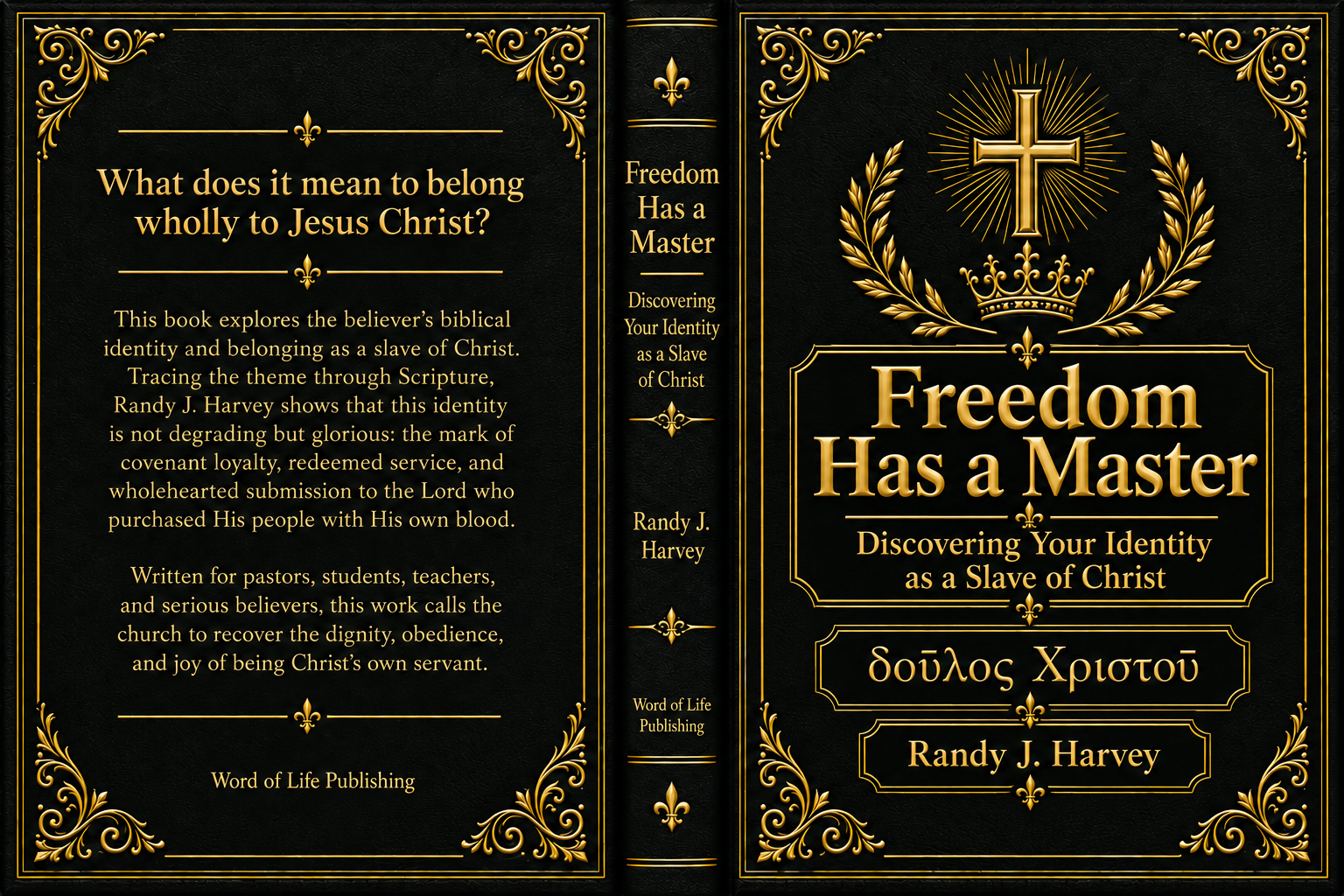
Freedom has a master
These were not isolated expressions of personal humility. They were carefully chosen declarations of identity. Before identifying their office, authority, or accomplishments, these men identified themselves by their relationship to Jesus Christ. Above every other distinction, they belonged to Him.
The more carefully one follows the Bible’s own vocabulary, the more apparent this continuity becomes. The language of God’s covenant slaves does not begin in Romans, nor does it begin with Paul. It echoes through the Law, the Historical Books, the Psalms, and the Prophets; reaches its fulfillment in Jesus Christ; and becomes the joyful confession of His apostles.
The New Testament writers did not invent this identity.
They inherited it.
Curiously, this language is seldom heard in the contemporary church. Christians gladly speak of following Christ, serving Christ, loving Christ, and worshiping Christ. We rejoice that He is our Savior, Shepherd, Friend, Bridegroom, and King. These are precious biblical truths that should never be diminished. Yet few believers introduce themselves as slaves of Christ, and fewer still regard that description as central to their daily lives.
—Randy J. Harvey, Freedom Has a Master: Discovering Your Identity as a Slave of Christ
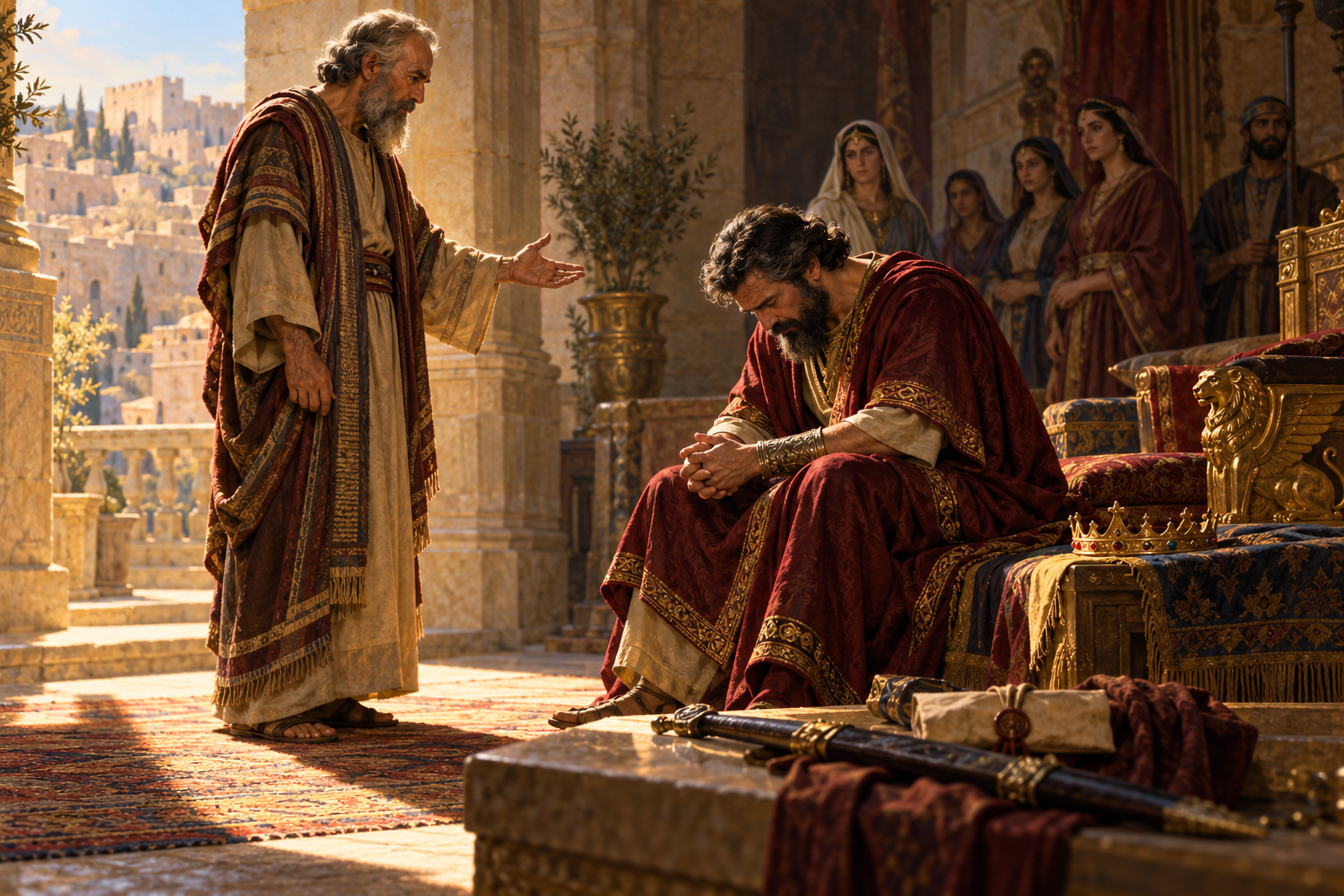
David’s Wives, David’s Sin, and the Consequences of Divine Forgiveness
Why did David’s sin bring lasting consequences even after God forgave him? This article explores David’s wives, the biblical boundaries of royal power, and Nathan’s confrontation over Bathsheba and Uriah. At its heart is a vital distinction: God’s forgiveness is genuine, yet forgiveness does not necessarily erase the earthly consequences of sin. Second Samuel 12:8–13 reveals both the seriousness of divine accountability and the mercy extended to a repentant sinner.


How do the beatitudes in Matthew and Luke differ: why?
This article explores the key differences between the Beatitudes in Matthew and Luke, examining their Greek language, literary structure, and theological emphasis. Matthew presents a more structured and spiritually focused teaching, while Luke emphasizes real-world conditions and prophetic reversal. Together, they reveal a unified message of God’s kingdom transforming both the heart and human circumstances through Christ.

Is the 4th command applicable to Christians today?
Is the Sabbath still binding on Christians today? This article explores Exodus 20 and Colossians 2 through careful biblical analysis, showing how the Sabbath functioned as both a creation ordinance and a covenant sign—and how it ultimately finds its fulfillment in Christ. Discover how the New Testament reframes the Sabbath, moving believers from legal observance to spiritual rest in Jesus.

the blood of jezreel
Why does God judge Jehu for actions He commanded? This article explores the “blood of Jezreel” in Hosea 1:4, revealing a profound biblical tension between divine sovereignty and human responsibility. Tracing the theme from Israel’s history to its fulfillment in Christ, it shows how corrupted judgment leads to guilt—but how Jesus transforms judgment into redemption through His atoning blood.

Prophetic Gloss: Palm Sunday
What does Palm Sunday really mean? This study explains how Jesus fulfills Zechariah 9:9 as the humble King and returns in Revelation 19 as the conquering Warrior, revealing a two-stage mission of salvation and judgment.

How Do I Know God Is Calling Me?
How can you know if God is calling you? In John 10, Jesus says His sheep know His voice. This article explores how believers can discern God’s leading through Scripture, relationship with Christ, and the patterns of calling found throughout the Bible. From Abraham to the apostles, God’s call consistently leads to faith, obedience, and following Christ. Learn how to recognize His voice and take your next step with confidence.

Behold a man, Zechariah 1:8
This article explores the profound biblical and linguistic significance of the phrase “Behold, a man” (הִנֵּה אִישׁ, hinneh ʾîš) in Zechariah 1:8, showing how Hebrew grammar introduces a figure indefinitely before revealing his identity. Through careful lexical analysis and theological reflection, the study traces how this “man” is progressively disclosed across Scripture—from prophetic mystery in Zechariah, to Pilate’s declaration “Behold the man,” to the glorified Son of Man in Revelation, and finally to Christ’s triumphant return as King of kings. Drawing on Hebrew lexicons and early Christian interpreters, this article demonstrates how Scripture moves from hidden identity to full revelation in Jesus Christ.

behold the man:
This article traces the powerful biblical movement from mystery to revelation in the person of Jesus Christ. Beginning with the prophetic vision of “a man” in Zechariah, moving through Pilate’s declaration “Behold the man,” and culminating in the glorified Son of Man in Revelation, Scripture reveals Christ progressively—from hidden identity to unveiled majesty. This study highlights how Jesus is disclosed as the true Man, the Son of Man, and ultimately the reigning King of kings.

Messiah and the Holy Spirit
This article explains that Scripture presents Jesus in a twofold role regarding the Holy Spirit: first, as the Messiah who is uniquely anointed and empowered by the Spirit in his earthly ministry, and second, as the exalted Lord who baptizes believers in the Holy Spirit. Drawing from both Old and New Testament passages, it shows that the Spirit rests upon Christ and is then poured out through him to his people, fulfilling God’s promises of renewal, empowerment, and new-covenant life.

The Woman of Wickedness and Babylon: An Intertextual and Theological Analysis of Genesis 11, Isaiah 47, Zechariah 5, and Revelation 17–18
This article explores the biblical development of Babylon as a theological symbol of organized human rebellion, tracing its origins from Genesis 11 through Isaiah 47 and Zechariah 5 to its culmination in Revelation 17–18. Through detailed textual and linguistic analysis, it shows how Scripture consistently portrays wickedness as a systemic and covenantal reality, often personified as a woman. The study highlights the unity of the biblical narrative and its ultimate resolution in the triumph of redemption over rebellion

From Babel to Babylon to the Bride: The Two-City Theology of Scripture
This article traces a major biblical theme—the contrast between two opposing cities—from Genesis to Revelation. Beginning with Babel as the origin of human rebellion, developing through Babylon as the symbol of organized wickedness, and culminating in the New Jerusalem as the Bride of Christ, Scripture reveals a unified story of judgment and redemption. The study highlights how God ultimately triumphs over the rebellious city of man and establishes His eternal kingdom with His people

Annihilation: Do perish & destroy mean annihilation?
This article examines whether New Testament terms like “perish,” “destroy,” and “destruction” require the annihilation of the wicked. By analyzing key passages such as John 3:16, Matthew 25:46, 2 Thessalonians 1:9, and Revelation’s “second death,” it shows that these terms describe ruin, punishment, and exclusion from God’s presence—not the cessation of existence. The study provides a clear, text-based explanation that eternal judgment is best understood as an enduring state rather than annihilation

Angelic Guardianship in Scripture and Theology
This article explores the biblical, historical, and theological foundation for the idea of guardian angels. Drawing from key passages such as Psalm 91, Matthew 18, and Hebrews 1, it shows that Scripture consistently teaches God uses angels to protect and serve His people. While the Bible stops short of explicitly assigning one angel per believer, it strongly affirms ongoing angelic ministry. The study also surveys Jewish tradition, early church fathers, and major Christian theologians to provide a balanced and grounded understanding of angelic guardianship in the life of believers .
Got a bible question?
Send us your Bible questions, and we will faithfully answer them in our regular blog posts by drawing from Scripture as the true and authoritative Word of God.
John Calvin’s aphorism, “The Bible is the best commentary on the Bible.”
(We will never share your name or personal information in any blog post unless you specifically request it.)