Bible Q & A
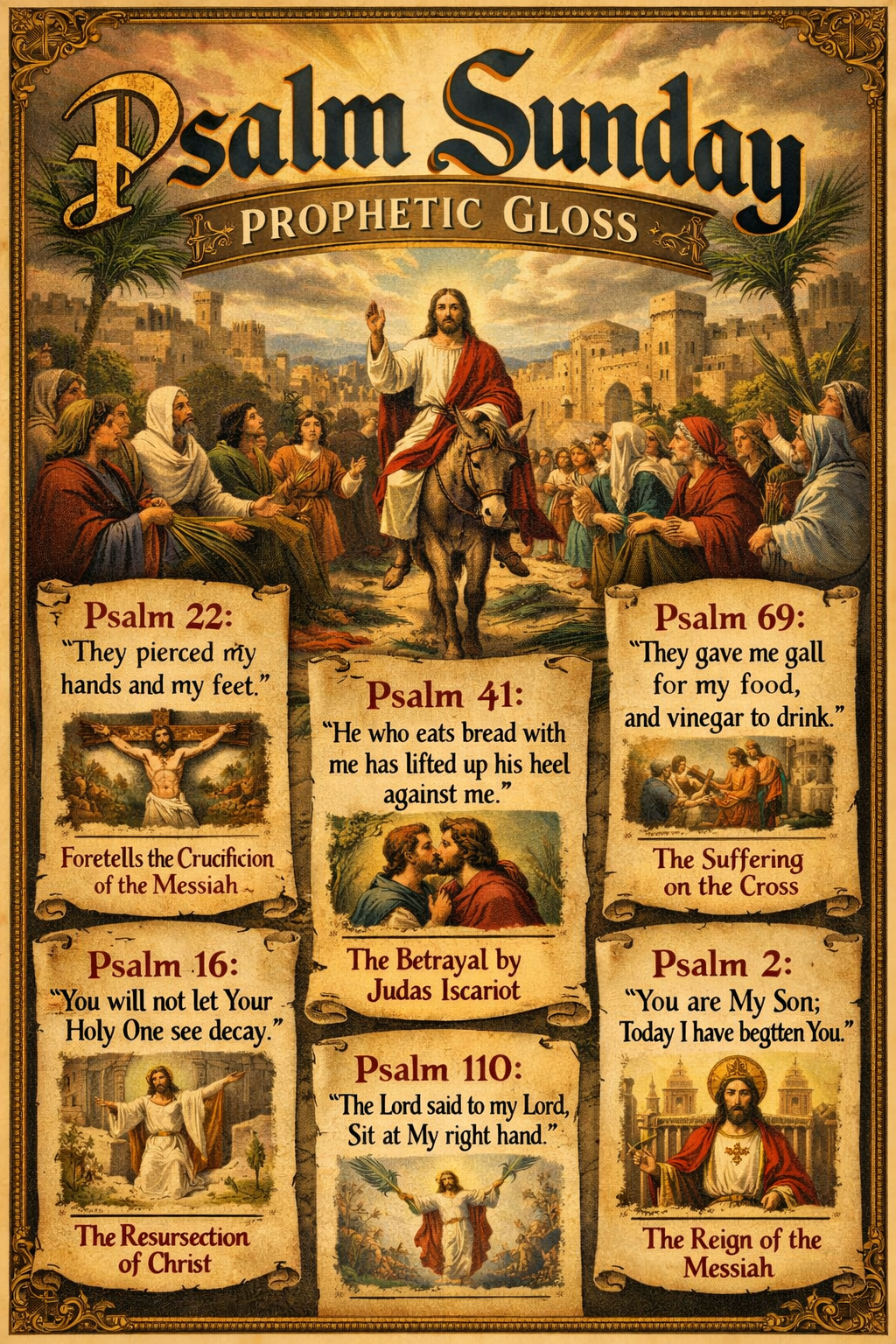
Prophetic Gloss: Palm Sunday
What does Palm Sunday really mean? This study explains how Jesus fulfills Zechariah 9:9 as the humble King and returns in Revelation 19 as the conquering Warrior, revealing a two-stage mission of salvation and judgment.

How Do I Know God Is Calling Me?
How can you know if God is calling you? In John 10, Jesus says His sheep know His voice. This article explores how believers can discern God’s leading through Scripture, relationship with Christ, and the patterns of calling found throughout the Bible. From Abraham to the apostles, God’s call consistently leads to faith, obedience, and following Christ. Learn how to recognize His voice and take your next step with confidence.
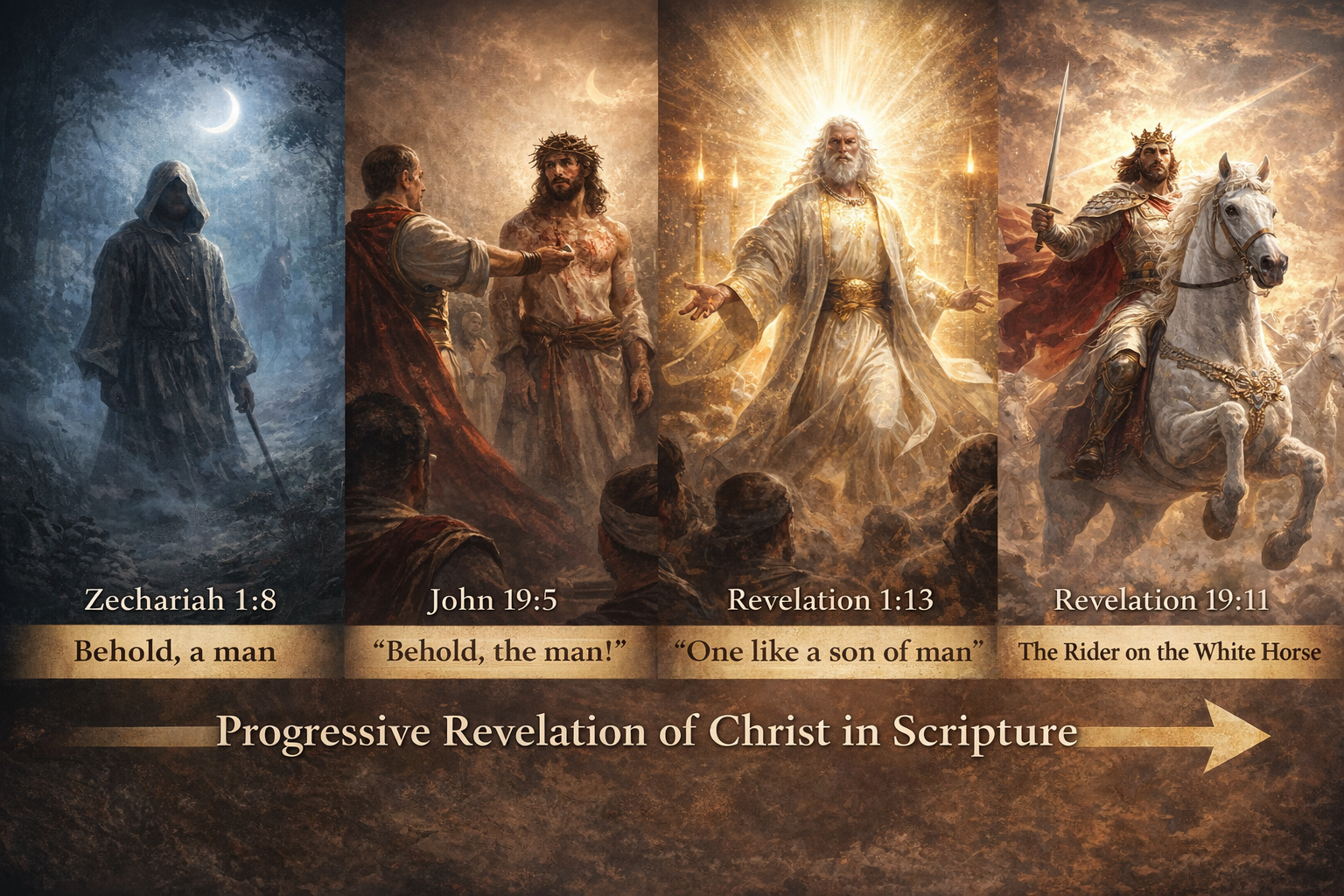
Behold a man, Zechariah 1:8
This article explores the profound biblical and linguistic significance of the phrase “Behold, a man” (הִנֵּה אִישׁ, hinneh ʾîš) in Zechariah 1:8, showing how Hebrew grammar introduces a figure indefinitely before revealing his identity. Through careful lexical analysis and theological reflection, the study traces how this “man” is progressively disclosed across Scripture—from prophetic mystery in Zechariah, to Pilate’s declaration “Behold the man,” to the glorified Son of Man in Revelation, and finally to Christ’s triumphant return as King of kings. Drawing on Hebrew lexicons and early Christian interpreters, this article demonstrates how Scripture moves from hidden identity to full revelation in Jesus Christ.
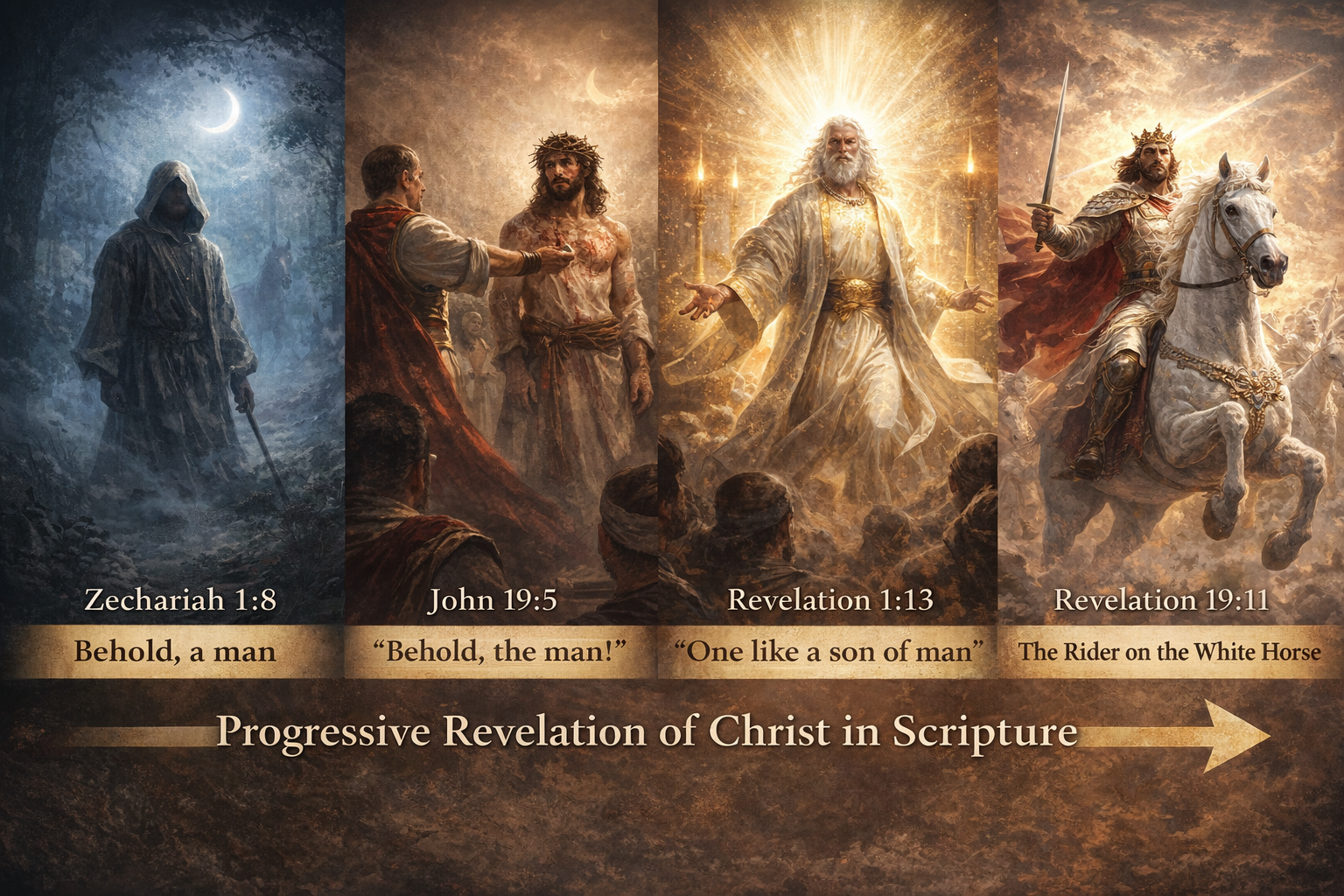
behold the man:
This article traces the powerful biblical movement from mystery to revelation in the person of Jesus Christ. Beginning with the prophetic vision of “a man” in Zechariah, moving through Pilate’s declaration “Behold the man,” and culminating in the glorified Son of Man in Revelation, Scripture reveals Christ progressively—from hidden identity to unveiled majesty. This study highlights how Jesus is disclosed as the true Man, the Son of Man, and ultimately the reigning King of kings.
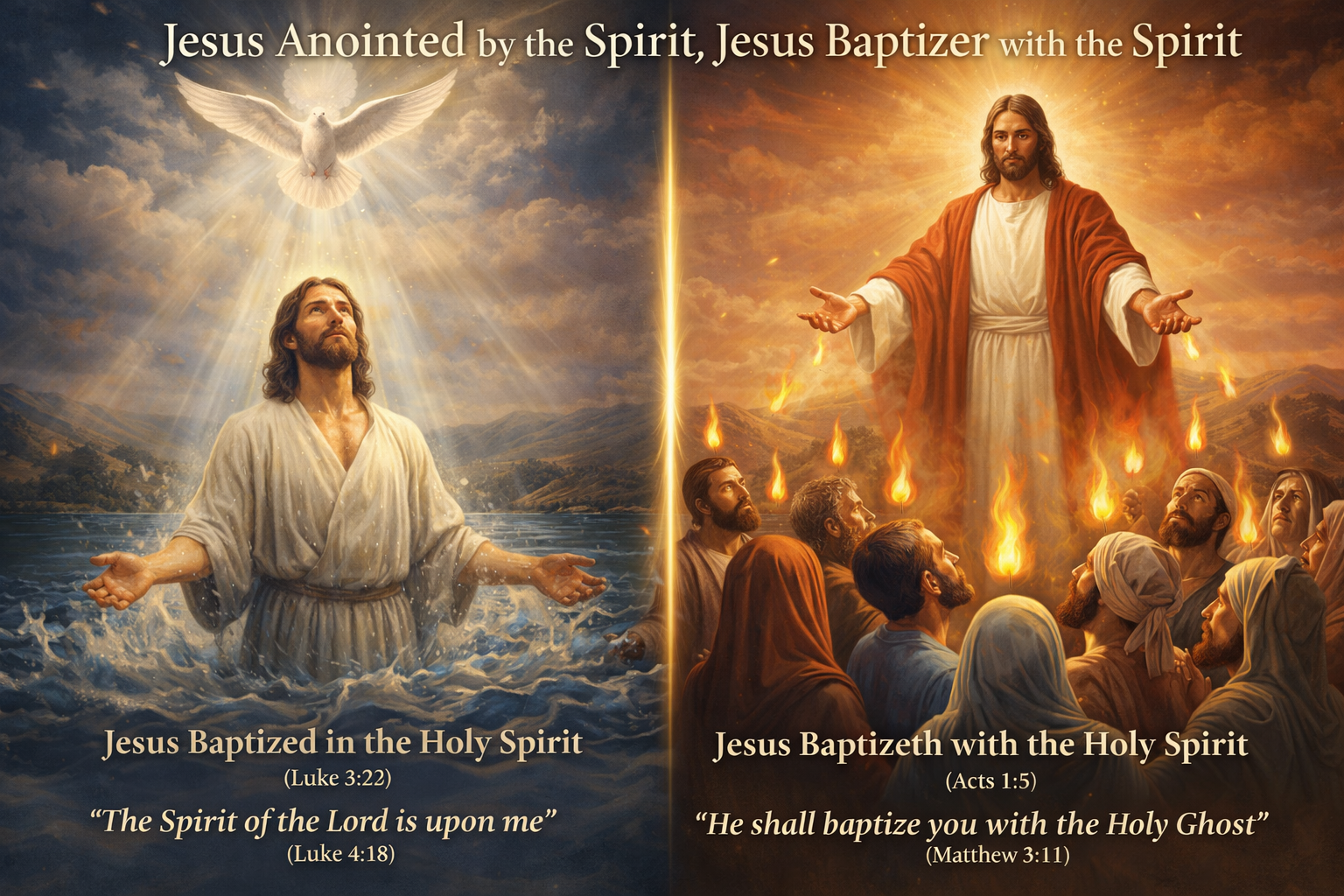
Messiah and the Holy Spirit
This article explains that Scripture presents Jesus in a twofold role regarding the Holy Spirit: first, as the Messiah who is uniquely anointed and empowered by the Spirit in his earthly ministry, and second, as the exalted Lord who baptizes believers in the Holy Spirit. Drawing from both Old and New Testament passages, it shows that the Spirit rests upon Christ and is then poured out through him to his people, fulfilling God’s promises of renewal, empowerment, and new-covenant life.
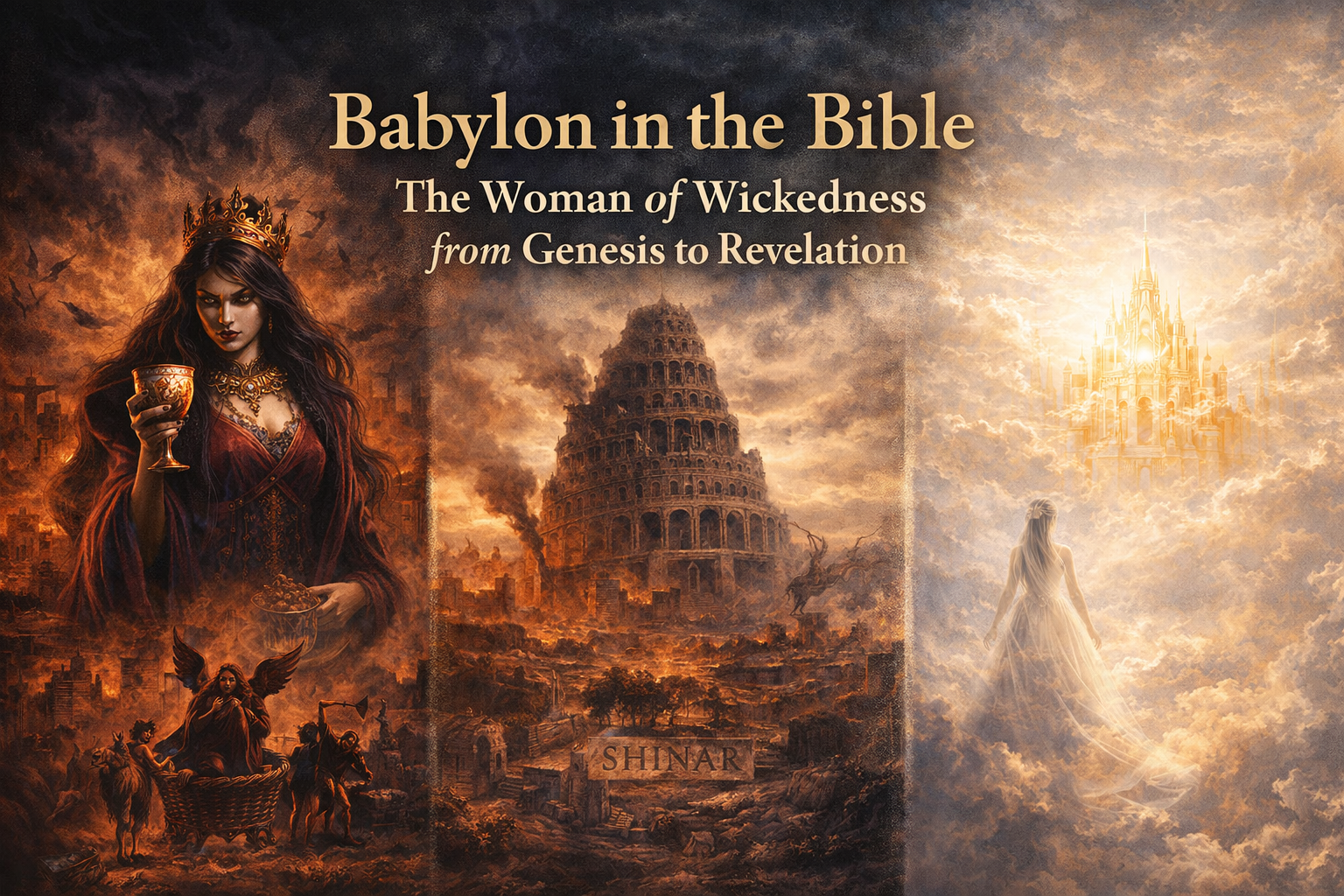
The Woman of Wickedness and Babylon: An Intertextual and Theological Analysis of Genesis 11, Isaiah 47, Zechariah 5, and Revelation 17–18
This article explores the biblical development of Babylon as a theological symbol of organized human rebellion, tracing its origins from Genesis 11 through Isaiah 47 and Zechariah 5 to its culmination in Revelation 17–18. Through detailed textual and linguistic analysis, it shows how Scripture consistently portrays wickedness as a systemic and covenantal reality, often personified as a woman. The study highlights the unity of the biblical narrative and its ultimate resolution in the triumph of redemption over rebellion
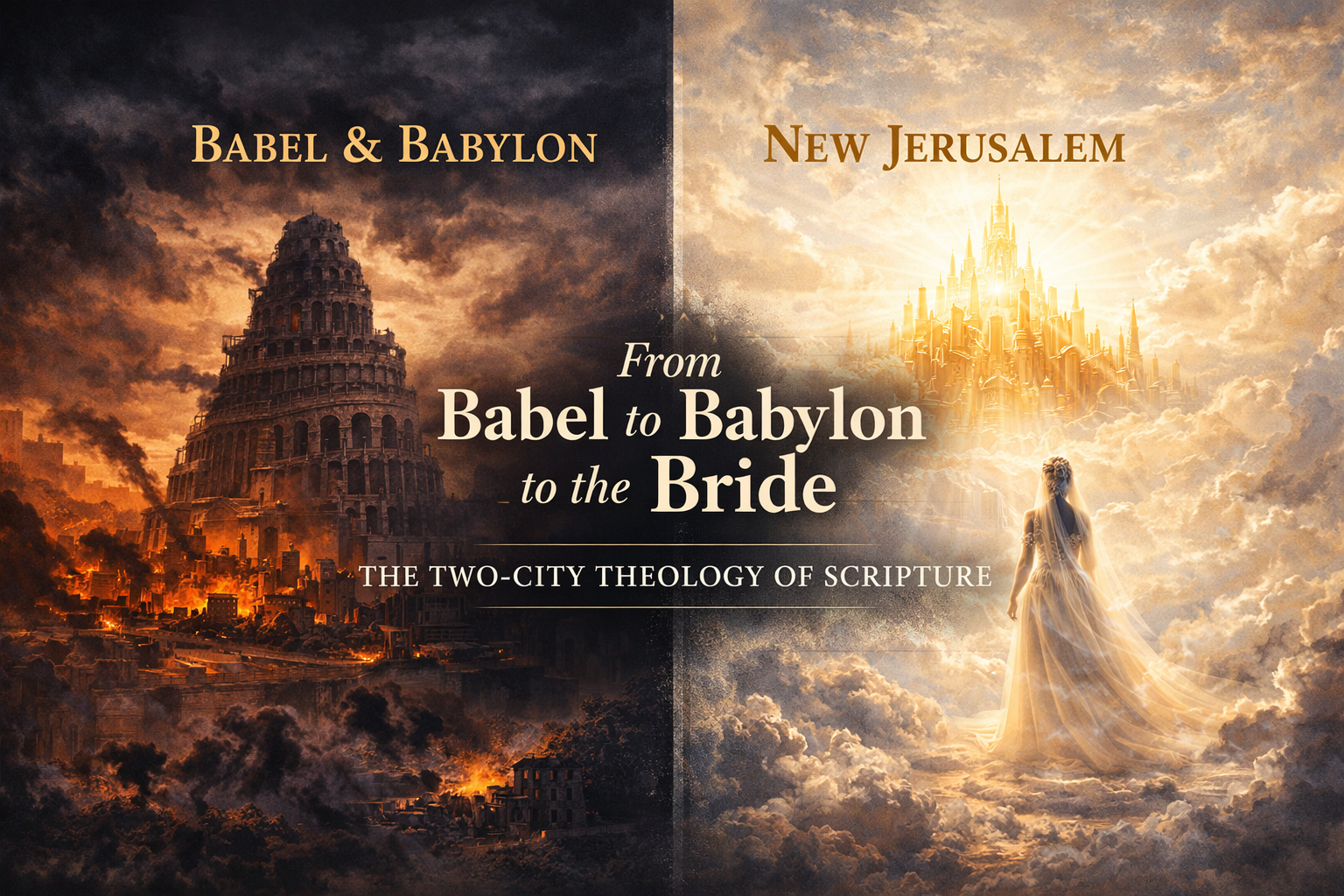
From Babel to Babylon to the Bride: The Two-City Theology of Scripture
This article traces a major biblical theme—the contrast between two opposing cities—from Genesis to Revelation. Beginning with Babel as the origin of human rebellion, developing through Babylon as the symbol of organized wickedness, and culminating in the New Jerusalem as the Bride of Christ, Scripture reveals a unified story of judgment and redemption. The study highlights how God ultimately triumphs over the rebellious city of man and establishes His eternal kingdom with His people
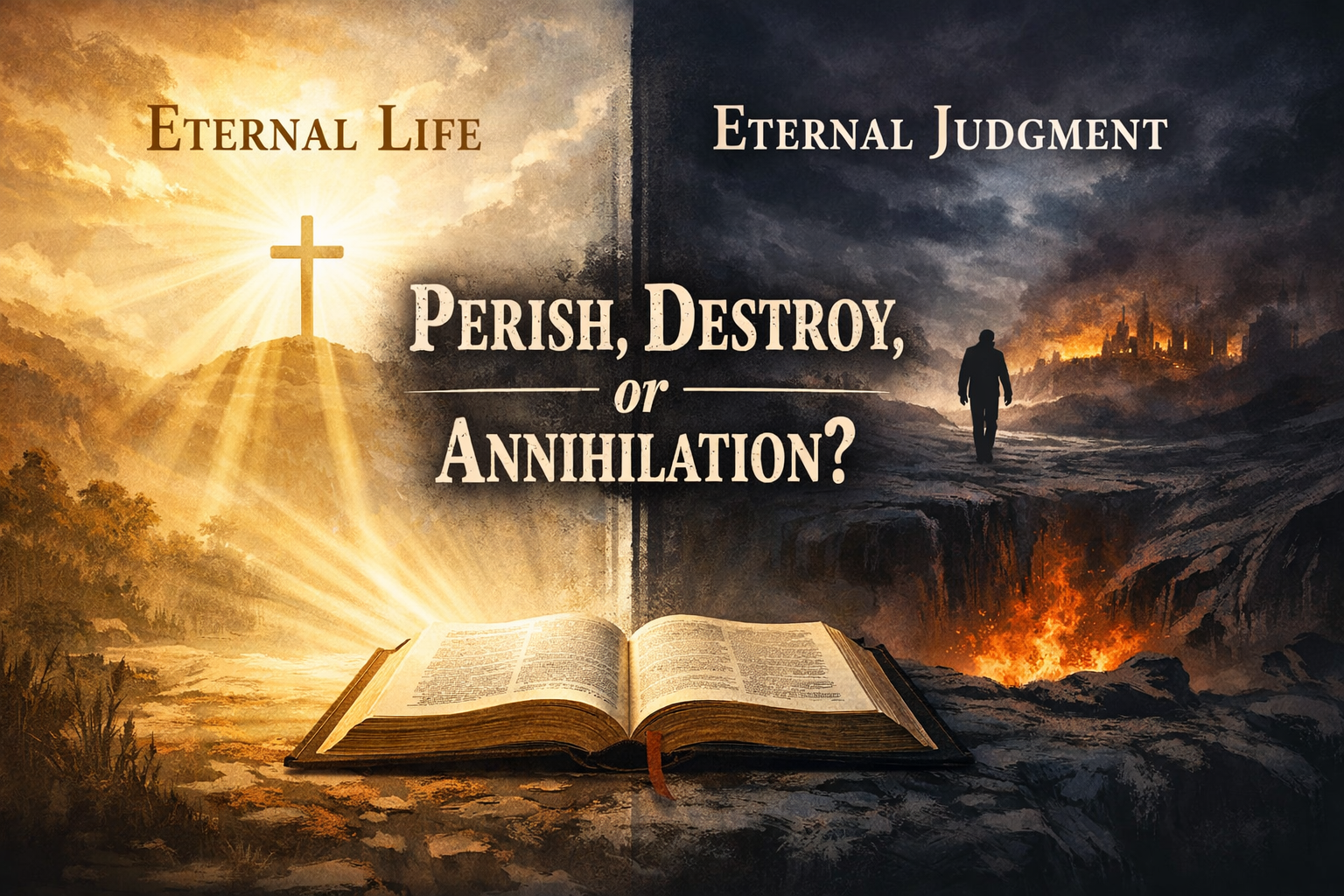
Annihilation: Do perish & destroy mean annihilation?
This article examines whether New Testament terms like “perish,” “destroy,” and “destruction” require the annihilation of the wicked. By analyzing key passages such as John 3:16, Matthew 25:46, 2 Thessalonians 1:9, and Revelation’s “second death,” it shows that these terms describe ruin, punishment, and exclusion from God’s presence—not the cessation of existence. The study provides a clear, text-based explanation that eternal judgment is best understood as an enduring state rather than annihilation
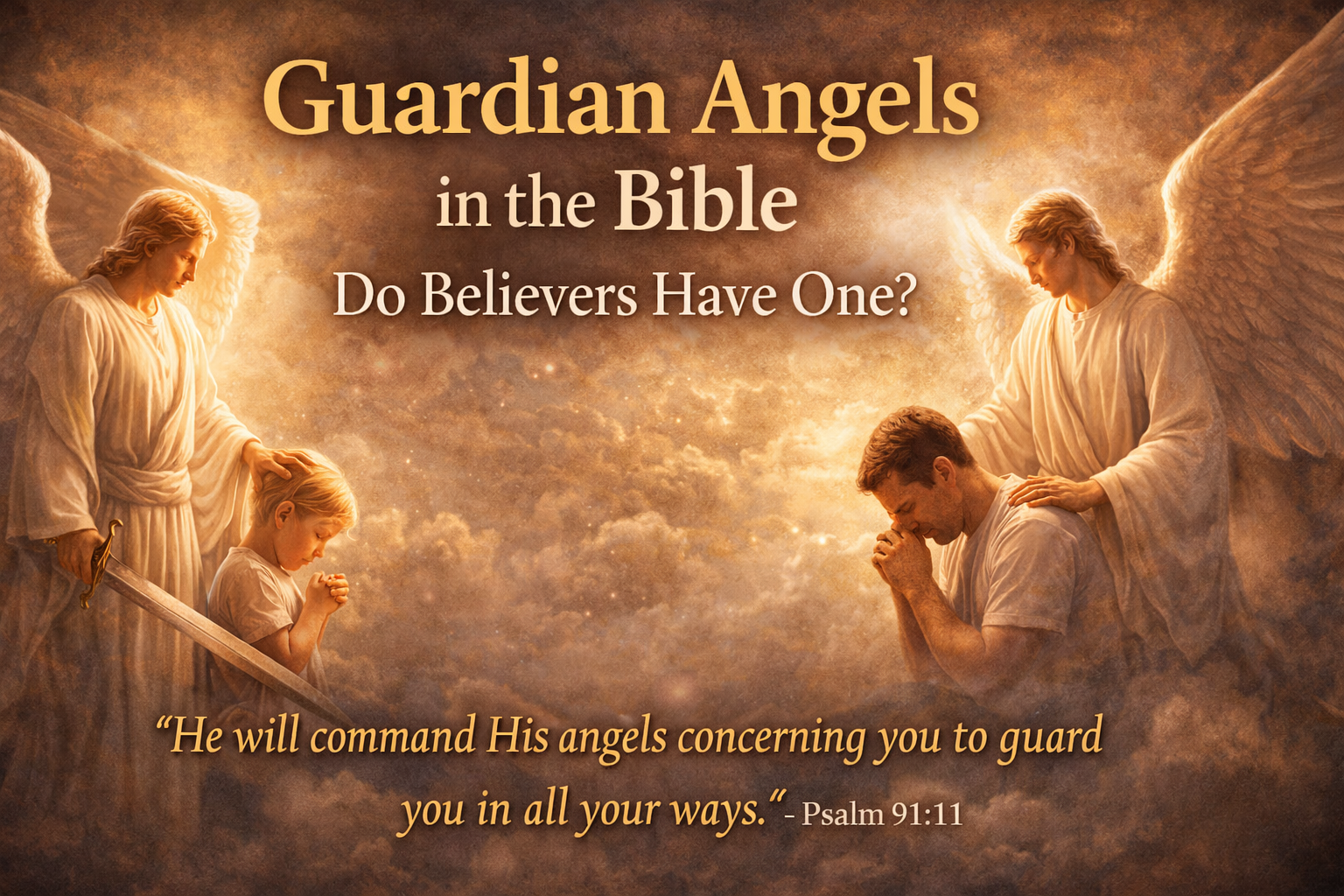
Angelic Guardianship in Scripture and Theology
This article explores the biblical, historical, and theological foundation for the idea of guardian angels. Drawing from key passages such as Psalm 91, Matthew 18, and Hebrews 1, it shows that Scripture consistently teaches God uses angels to protect and serve His people. While the Bible stops short of explicitly assigning one angel per believer, it strongly affirms ongoing angelic ministry. The study also surveys Jewish tradition, early church fathers, and major Christian theologians to provide a balanced and grounded understanding of angelic guardianship in the life of believers .
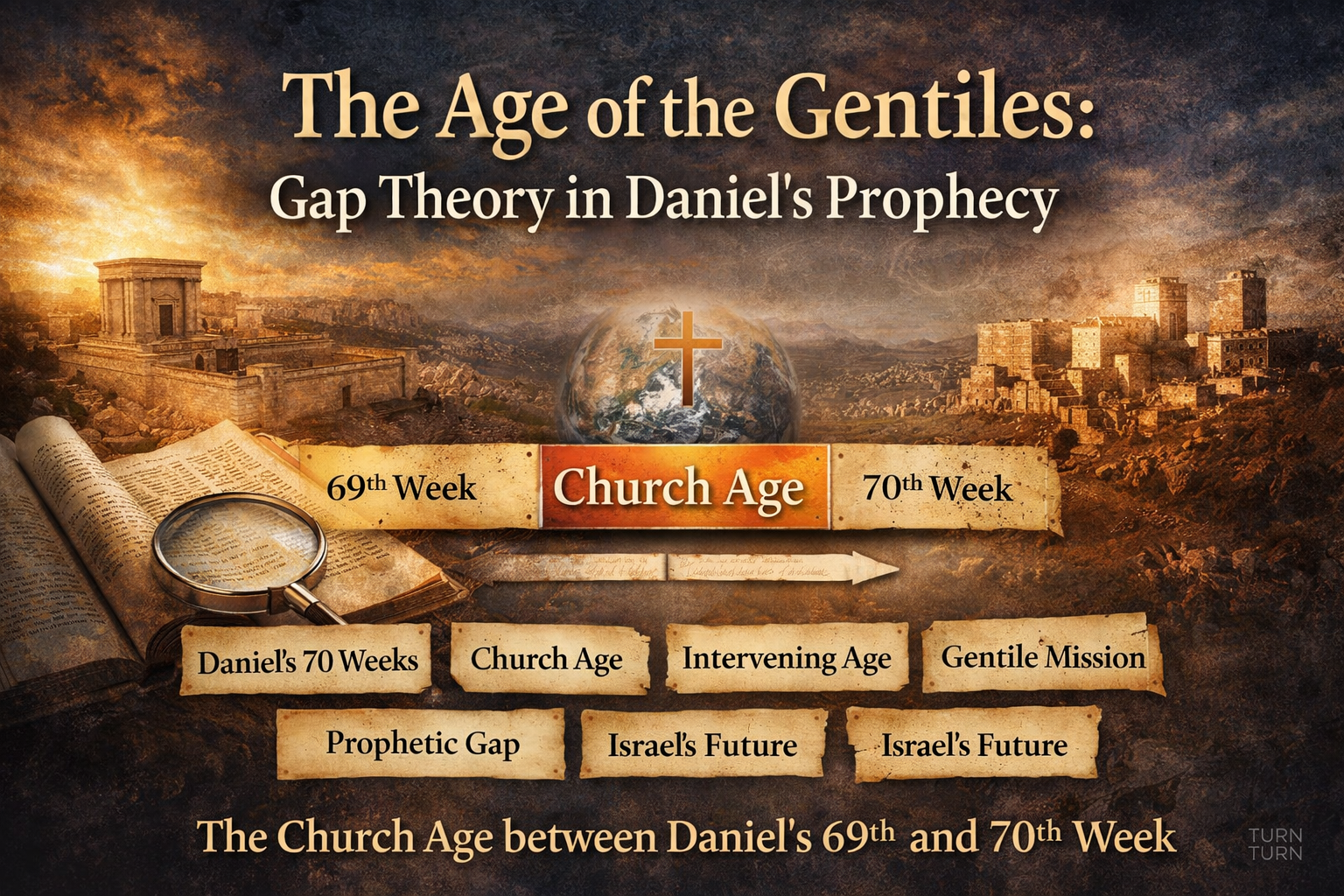
Age of the Gentiles-Gap Theory
This article explores the prophetic “gap” between Daniel’s 69th and 70th weeks, identifying it as the present Church Age or “Age of the Gentiles.” It explains how this intervening period reflects God’s redemptive plan to extend salvation beyond Israel to the nations, while still preserving His future promises to Israel. By examining Daniel’s prophecy in light of the broader biblical narrative, the article offers a clear and compelling framework for understanding the timing, purpose, and theological significance of this present age in God’s unfolding plan.
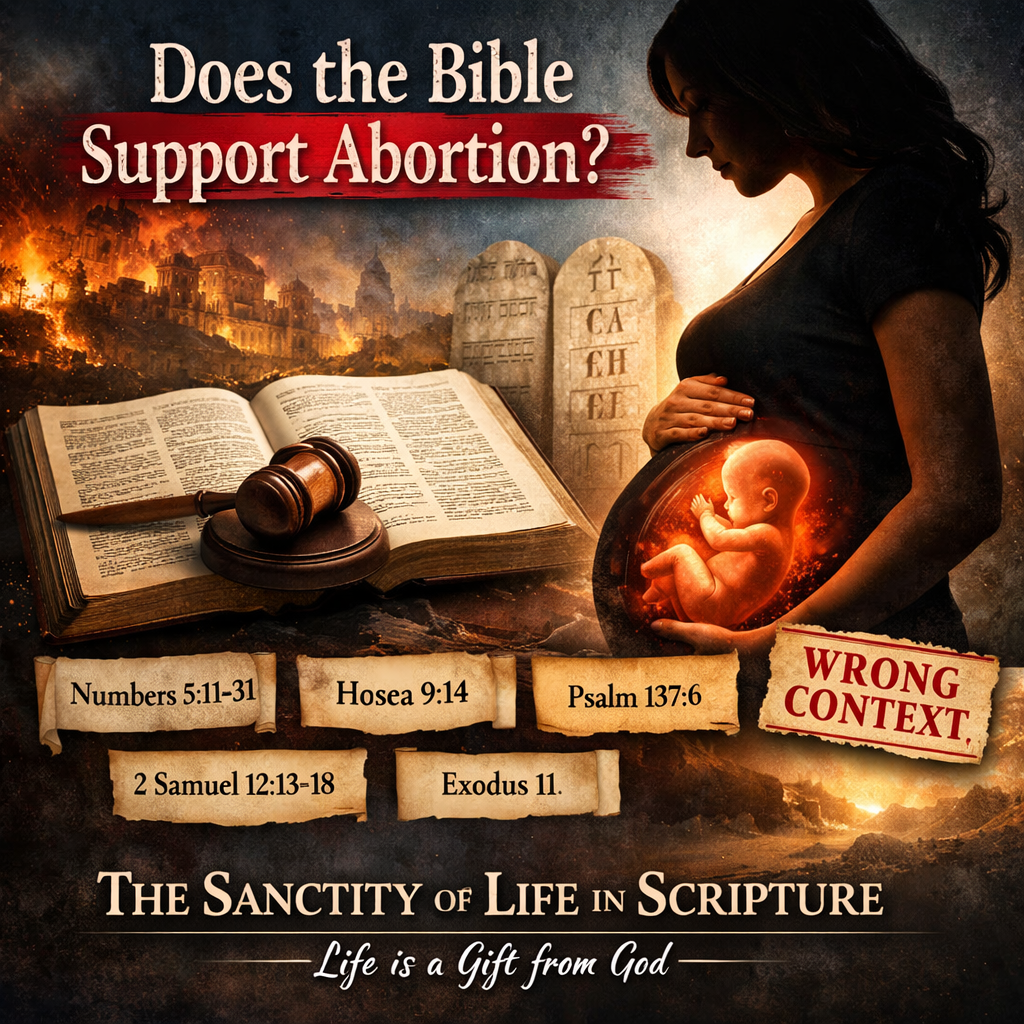
Does the Bible Support Abortion? A Response to Misinterpreted Passages.
This article addresses common claims that the Bible supports abortion or infanticide by examining frequently cited passages in their proper historical and literary context. It demonstrates that texts such as Numbers 5, Hosea 9, Psalm 137, and others do not endorse the taking of unborn or infant life but instead reflect divine judgment, poetic expression, or covenant consequences. The broader witness of Scripture consistently affirms the sanctity of human life from conception, presenting life as a gift from God. Ultimately, the article argues that misusing isolated verses to justify abortion ignores the unified biblical message that upholds the value and dignity of every human life.
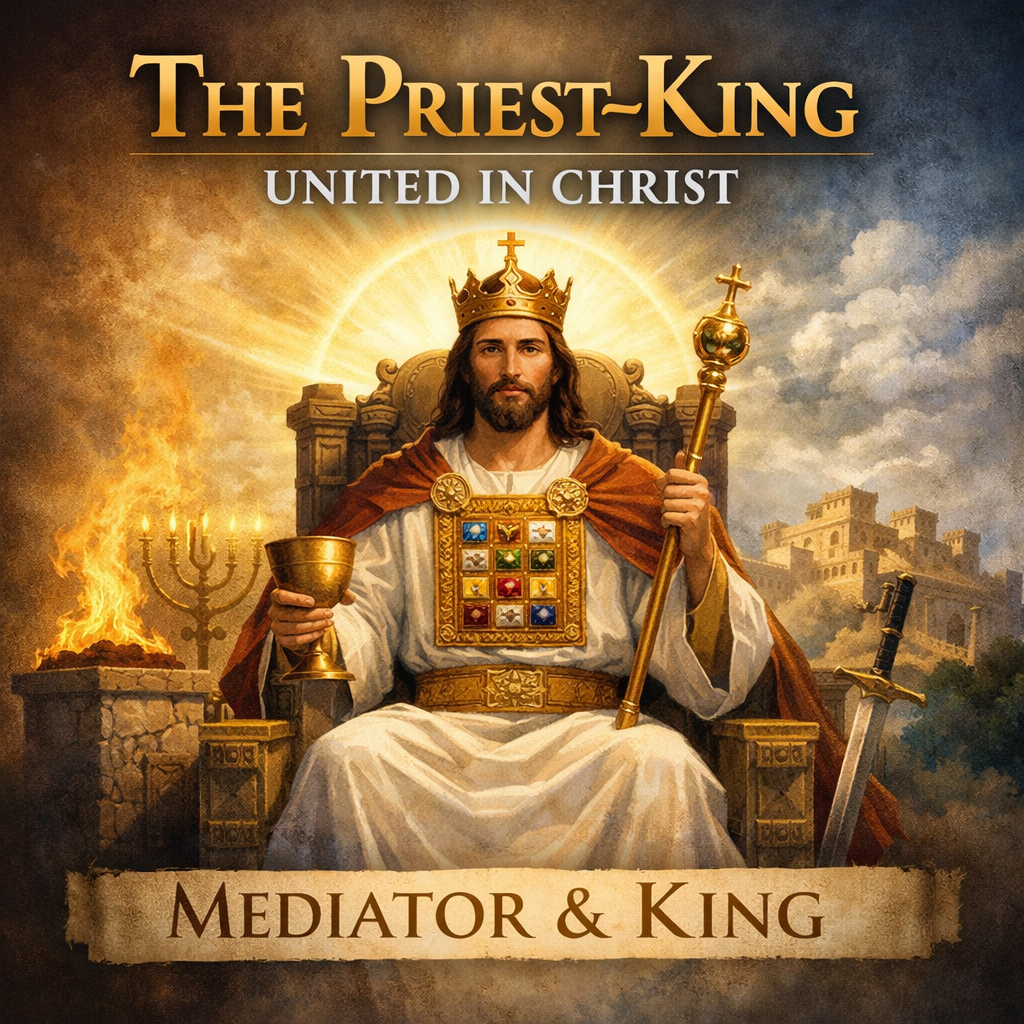
What Is the Priest–King Motif from Zechariah to Revelation?
The Bible tells a unified story in which what was once divided is ultimately brought together in Christ. Under the Old Testament, the roles of priest and king were kept separate—one offered sacrifice, the other ruled. Yet the prophets began to point forward to something greater. In Zechariah, a coming figure called “the Branch” is revealed as both priest and king, seated on one throne. This tension finds its resolution in Jesus Christ, who not only atones for sin but reigns as sovereign Lord. The Priest–King motif shows that true redemption requires both mediation and authority—both of which are perfectly fulfilled in Him.
Why Should I Read the Bible Regularly If I Don’t Always Understand It?
Question (submitted anonymously)
“I know I should read the Bible, but a lot of the time I don’t fully understand what I’m reading. Sometimes it feels repetitive or confusing. Why is regular Bible reading so important if I don’t always ‘get it’?”
Why Does God Allow Suffering If He Is Loving?
Question
“If God is loving and all-powerful, why does He allow suffering? I believe in Him, but when I see pain in the world and in my own life, it’s hard to understand.”
How Can I Know God’s Will When Making Big Decisions?
Question
“I’m facing a major decision in my life and I don’t want to make the wrong choice. How can I know what God’s will is? I’ve prayed about it, but I’m still unsure which direction to take.”
Got a bible question?
Send us your Bible questions, and we will faithfully answer them in our regular blog posts by drawing from Scripture as the true and authoritative Word of God.
John Calvin’s aphorism, “The Bible is the best commentary on the Bible.”
(We will never share your name or personal information in any blog post unless you specifically request it.)